
This sacred history dates back approximately 450 years. At that time, there were no well-formed villages as we know today—only small hamlets scattered across the land. Human life was extremely simple and harsh. Many people did not even possess sufficient clothing to cover their bodies, and material wealth was almost nonexistent.
In such an era lived a frail yet spiritually luminous family, blessed with a remarkable child named Pato Vaghasiya, only three years old. Despite his tender age, Pato possessed extraordinary devotion. It is believed that he communicated daily with the Divine Mother, engaging in divine conversations far beyond human comprehension.
The Mother Goddess would tell him:
One day, Pato set out to bring the Goddess. At that moment, the Divine Mother manifested as a sacred flame (Jyot) in the palm of his small hand. As he walked forward, a celestial voice echoed from the heavens:
With unwavering faith, Pato replied:
Immediately after these words, the flame vanished from his hand, and another heavenly voice declared:
Deeply saddened yet resolute, Pato devoted his entire life to this divine purpose. He dedicated himself to the welfare of all eighteen communities, protected the dignity of the helpless, and saved countless lives—ultimately sacrificing his own life in this sacred mission.
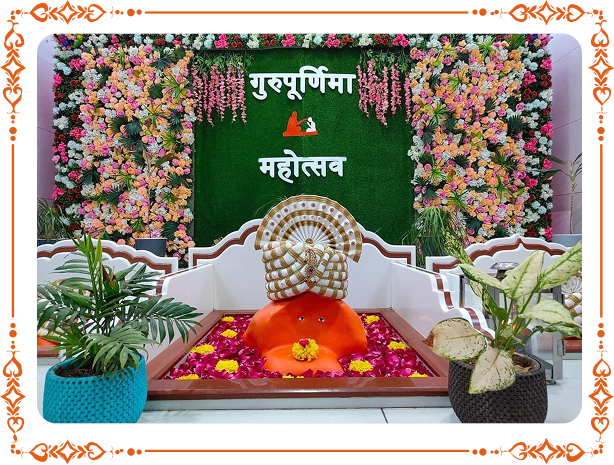
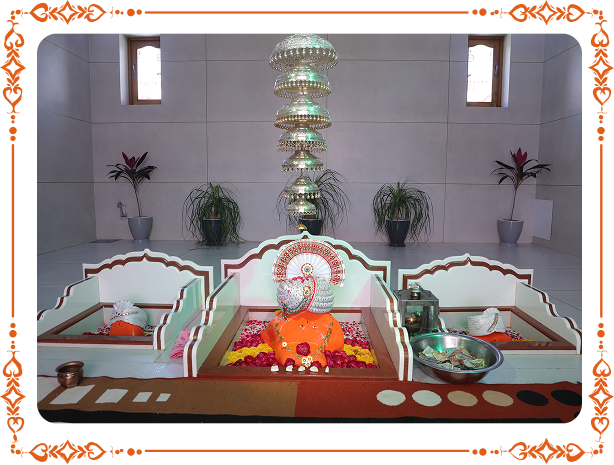
The pillar (Khambhi) associated with his sacrifice is believed to remain spiritually alive even today. Devotees firmly believe that sincere prayers offered here are fulfilled. Pato Dada is said to manifest in serpent form (Nāg Swaroop), appearing in different forms to guide devotees and draw them into his divine presence.
Pato Dada's final wish was that the entire Vaghasiya lineage and all eighteen communities unite to build a temple for Veraimata, where she would once again manifest as a sacred flame and bring welfare and harmony to the world.
Today, this holy site is located between Valardi and Chamardi villages, along the main road in Babra Taluka, Amreli District, Gujarat, India.
This sacred place stands not merely as a temple, but as a living testament of devotion, sacrifice, faith, and collective spiritual heritage.

 +91-8238346346